
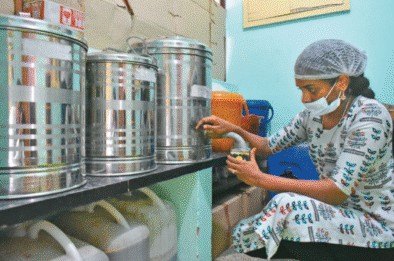
Supermarket shelves are full of jars labelled “pure honey”, but not every jar is what it claims to be. Some honey is mixed with cheap sugar syrups, and some is heated and filtered so much that most of what makes raw honey special is lost. Here is what actually helps you choose well.
Why “home tests” don’t really work
You may have seen tips like dropping honey into water, trying to set it on fire, or rubbing it on your thumb. These tricks are popular, but they are not reliable. Thickness and how honey behaves in water depend on its moisture content, the flowers the bees visited and the temperature in your kitchen. A thin, runny honey can be completely genuine, and a well-made syrup blend can pass these tests easily.
What real lab testing checks
Food labs use advanced methods to look for signs of added sugars and processing, for example:
- Sugar-syrup markers that show whether rice, corn or cane syrups have been added.
- Moisture content, which tells you whether the honey was harvested ripe and will keep well.
- HMF levels, which rise when honey is overheated or stored badly for a long time.
- Advanced techniques such as NMR profiling, which can detect blends that older tests miss.
What you can check before you buy
- Source: does the brand tell you where and how the honey was collected – which forest, which bees, which season?
- Lab reports: a trustworthy brand is happy to share test results for its batches.
- Variety: real honey changes with the season and the flowers. Forest honey, Neela Kurunji honey and small-bee honey all taste and look different. If every jar a brand sells looks exactly the same all year, ask why.
- Crystallisation: raw honey often turns thick or grainy over time. That is natural, not a sign of fake honey – read our guide on why raw honey crystallises.
- Price: wild honey collected by hand from the forest costs more to produce. Very cheap “pure” honey deserves a second look.
How we do it at The Divine Harvest
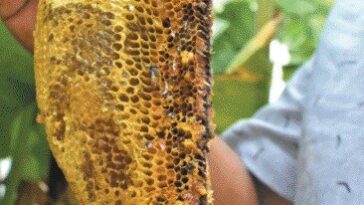
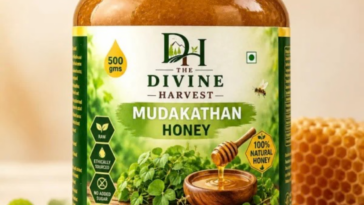
Our honey is collected with tribal honey hunters in the forests of the Western Ghats, packed by our own team and lab-tested batch by batch. We don’t blend in syrups and we don’t over-heat or over-filter, so every season’s harvest keeps its own colour, aroma and taste.
 No products in the cart.